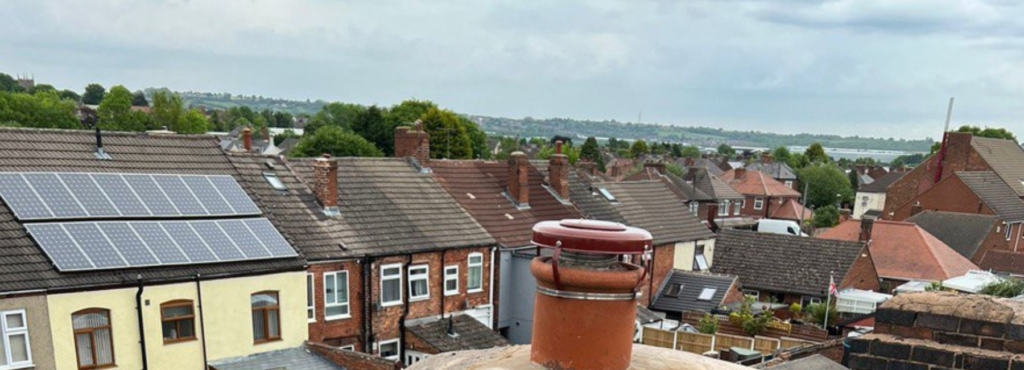
Work carried out on chimneys, aerials, roof-mounted equipment or other parts of a property can sometimes disturb nearby roofing materials. Tiles may be cracked underfoot, flashing can be altered and concealed layers may be damaged without producing an immediate leak.
In many cases, a professional roofer can repair this type of damage. The correct approach depends on what has been disturbed, how far the damage extends and whether the surrounding roof remains sound. For property owners in Cottenham, Cambridgeshire, a thorough inspection is the first step towards a reliable solution.
How Damage Caused by Previous Work Can Be Repaired
The visible defect may not show the full extent of the problem. A roofer should examine the roof covering, fixings, underlay, battens and nearby junctions before deciding on the scope of the repair.
Cracked Tiles Can Be Replaced
Walking across a roof without using suitable access methods can place excessive pressure on individual tiles or slates. Some break immediately, while others develop fine cracks that gradually admit moisture.
Damaged coverings can often be replaced individually when the surrounding materials remain stable. The new tile or slate must match the existing profile and be secured correctly so that the intended overlaps are restored.
Displaced Tiles Can Be Reinstated
Tiles may be lifted temporarily to provide access for other work. If they are not returned to the correct position, gaps or reduced overlaps can leave the roof vulnerable to wind-driven rain.
A roofer can check the alignment of the affected courses, reposition displaced tiles and renew damaged fixings. Nearby coverings should also be inspected because movement may extend beyond the most obvious gap.
Torn Underlay May Need Local Renewal
Underlay can be punctured by tools, fixings or careless movement beneath lifted tiles. As it is hidden by the roof covering, damage may remain unnoticed until moisture reaches the loft.
The affected tiles can be lifted to expose the underlay. A local repair may be possible where the surrounding material remains flexible and sound, while more extensive deterioration may require a larger section to be renewed.
Damaged Battens Can Be Replaced
Battens support the roof covering and provide secure fixing points. They may be split, cut or weakened during work that requires access beneath the tiles.
Simply replacing the visible covering will not provide a lasting result if the support beneath it is damaged. A professional repair may involve opening the area, renewing the affected batten and reinstating the tiles securely.
Flashing Can Be Corrected
Lead flashing around chimneys, walls and roof penetrations may be bent, cut or pulled away during adjacent work. Poorly applied sealant may also obstruct natural movement or conceal gaps.
A roofer can assess the complete junction and determine whether the flashing can be refitted or requires replacement. Correct overlaps and secure connections with the masonry and roof covering are essential for directing water away.
Roof Penetrations Need Proper Weatherproofing
Equipment installed through or onto a roof can create new openings around brackets, cables or pipes. If these penetrations are not integrated with the covering correctly, water may follow them beneath the roof.
A durable repair should address the roofing detail around the penetration rather than relying solely on surface sealant. The surrounding underlay, tiles and fixings should also be checked for disturbance.
Valleys and Drainage Routes May Be Obstructed
Debris left after previous work can collect in valleys, gutters or behind chimneys. Offcuts, mortar fragments and broken tile pieces may restrict the intended flow of rainwater.
A roofer can clear the drainage route and inspect the materials beneath it for cracks, displacement or wear. If water has been forced beneath nearby coverings, the repair may need to extend beyond the blockage itself.
Inappropriate Fixings Can Be Removed and Corrected
Fixings placed through tiles, flashing or other weatherproof layers can create direct routes for water. Their effect may not become apparent until repeated rainfall has allowed moisture to spread.
The repair should remove or replace the unsuitable fixing and restore each affected layer. Sealing only the visible hole may be insufficient if the surrounding material has cracked or moved.
Surface Sealants May Need to Be Removed
Sealants are sometimes used as a quick response to gaps or leaks. They can deteriorate, lose adhesion or prevent roofing materials from moving naturally as temperatures change.
A professional roofer may need to remove the failed material to reveal the original defect. Tiles, flashing or junction details can then be repaired using an approach suited to the roof’s construction.
Concealed Water Damage Should Be Assessed
A defect caused by previous work may have been present for some time before dampness becomes visible. Moisture may have affected insulation, battens or accessible roof timbers beneath the entry point.
Inspection from within the loft can help establish how far the water has travelled. Any affected materials should be allowed to dry and assessed before the roof is closed.
A Previous Repair Can Sometimes Be Retained
Not every part of earlier work needs to be removed. If sections are secure, compatible and performing correctly, the roofer may be able to retain them while correcting the defective area.
This keeps the work proportionate. The aim is to restore reliable performance rather than replace sound materials unnecessarily.
When a Larger Repair May Be Necessary
A localised repair is often suitable when the damage is confined and the surrounding roof remains serviceable. Broader work may be required where several slopes have been disturbed, underlay damage is widespread or multiple junctions have been altered.
The condition found during inspection should determine the scope. In some cases, lifting and reinstating a complete section provides a more dependable result than adding further patches.
Why an Accurate Diagnosis Matters
Leaks associated with previous work can be difficult to trace because water may enter through one altered detail and appear elsewhere indoors. The most obvious patch or fixing is not always the only source.
A professional roofer will examine a sufficiently wide area and consider how the different roof components interact. This helps prevent the wrong location from being repaired while the underlying defect remains.
Conclusion
A roof damaged during previous work can often be repaired by replacing cracked coverings, restoring underlay and battens, correcting flashing and properly weatherproofing penetrations. The repair must address every affected layer rather than covering the visible defect alone.
Cottenham Roofing Repairs can inspect the affected area and recommend work based on the roof’s actual condition. If you are concerned that earlier work has damaged your roof in Cottenham, Cambridgeshire, contact our team to arrange a professional assessment.
Call us on: 01954 776 176
Click here to find out more about Cottenham Roofing Repairs
Click here to complete our contact form and see how we can help with your roofing needs.