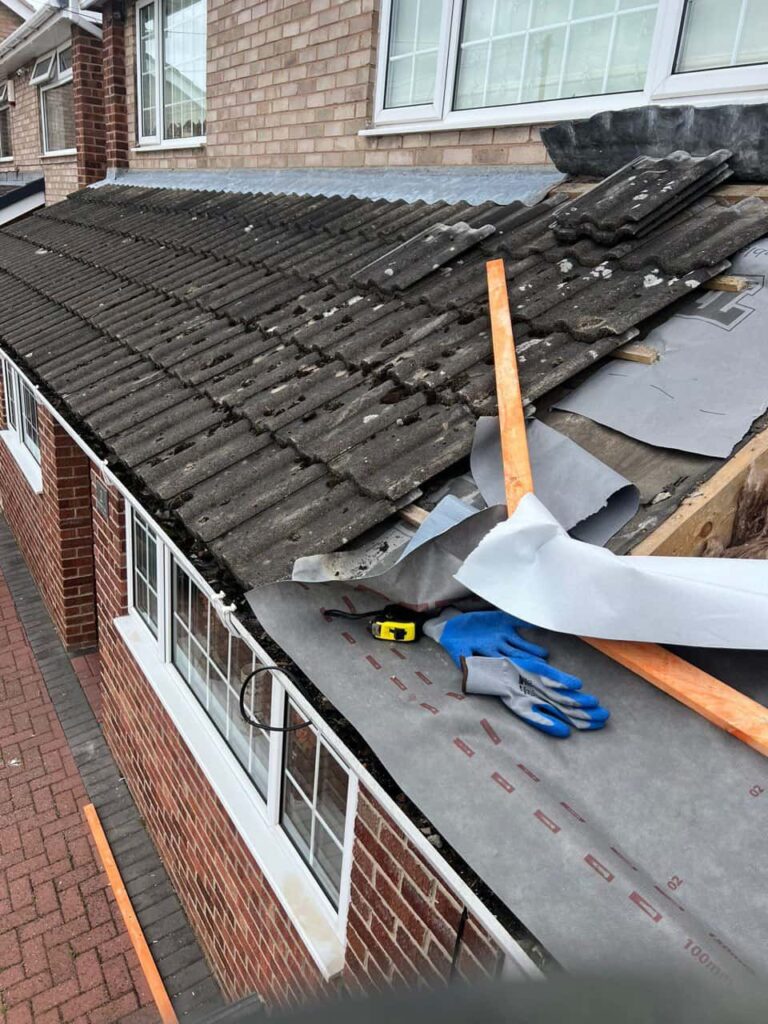
Felt roofing is a widely used solution for flat roofs, garages and extensions. When installed correctly, it offers reliable waterproofing and practical protection against the elements. However, like all roofing systems, felt has a finite lifespan. Over time, weather exposure and general ageing can reduce its effectiveness.
For property owners in Cottenham, Cambridgeshire, recognising when felt roofing has reached the point of full replacement is essential to maintaining a secure and watertight property.
Understanding the Lifespan of Felt Roofing
Modern felt systems are designed to withstand fluctuating temperatures, rainfall and daily environmental exposure. Even so, constant expansion and contraction gradually affect the material.
Age-Related Deterioration
As felt ages, it may begin to show signs of:
- Surface cracking
- Blistering or bubbling
- General brittleness
While isolated defects can often be repaired, widespread ageing across the surface may indicate that the roofing membrane is nearing the end of its effective lifespan.
Repeated Patch Repairs
Occasional repairs are normal for flat roofing systems. However, if the roof requires frequent patching in multiple areas, it may suggest that the underlying felt is deteriorating overall rather than suffering from isolated faults.
When repairs become increasingly common, full replacement can provide a more stable long-term solution.
Signs That Replacement Is Necessary
There are specific indicators that suggest felt roofing may need complete renewal rather than further repair.
Persistent Water Ingress
If leaks continue despite previous repairs, it may indicate that the felt has weakened beneath the visible surface. Moisture can travel beneath the membrane, causing hidden damage to the roof deck.
Signs include:
- Recurring damp patches
- Soft spots in the roof structure
- Visible pooling water that does not drain effectively
Persistent water penetration is a clear signal that the roofing system may no longer be performing reliably.
Structural Movement or Sagging
Flat roofs must maintain a consistent level to ensure proper drainage. If the surface begins to sag or dip, it may point to deterioration beneath the felt layer.
Structural concerns often require more than surface repair and should be assessed promptly.
Extensive Blistering or Splitting
Blisters form when trapped moisture or air becomes sealed beneath the felt. While minor blistering can sometimes be addressed locally, widespread blistering across the roof suggests material fatigue.
When splitting or tearing affects large sections, replacement is usually the most dependable solution.
The Value of Professional Inspection
Determining whether felt roofing requires repair or full replacement involves careful assessment. Visual signs alone do not always reveal the extent of underlying wear.
Working with experienced local specialists such as Cottenham Roofing Repairs ensures the roof is thoroughly evaluated and appropriate recommendations are provided based on the specific condition of the property in Cottenham.
Professional inspection helps prevent minor issues from escalating into more serious structural concerns.
Conclusion
Felt roofing should be completely replaced when ageing is widespread, leaks persist, or structural movement compromises performance. While minor defects can often be repaired, recurring issues and extensive deterioration indicate that the roof has reached the end of its reliable service life.
For homeowners in Cottenham, Cambridgeshire, arranging a professional assessment provides clarity on the condition of your felt roof. Acting at the right time ensures your property remains protected, secure and structurally sound for years to come.
Call us on: 01954 776 176
Click here to find out more about Cottenham Roofing Repairs
Click here to complete our contact form and see how we can help with your roofing needs.